The Power of Genomics in Cancer Care
Genomics solutions at 4baseCare are revolutionizing the way cancer is diagnosed and treated. By harnessing the power of advanced genomic testing, we can identify specific genetic mutations that drive cancer growth and progression. This information can be used to develop targeted therapies that are tailored to the individual patient’s needs. Key benefits of genomics in cancer care include: + Personalized treatment plans + Improved patient outcomes + Enhanced understanding of cancer biology + Early detection and intervention The use of genomics in cancer care is not limited to identifying genetic mutations. It can also be used to develop predictive models that forecast the likelihood of cancer recurrence. This information can be used to develop strategies for early detection and intervention, improving patient outcomes and reducing the risk of cancer recurrence.
The Digital Health Ecosystem
The Digital Health ecosystem at 4baseCare is designed to support patients and clinicians alike. This comprehensive ecosystem includes a range of tools and services that facilitate communication, data sharing, and collaboration. Key features of the Digital Health ecosystem include: + Secure data storage and sharing + Real-time patient engagement + Clinical decision support systems + Telemedicine and remote monitoring The Digital Health ecosystem is designed to be flexible and adaptable, allowing clinicians to tailor their approach to individual patient needs.
We have expanded our team to include experts in genomics, bioinformatics, and molecular biology.
The Year of Expansion
The year 2024 has been a year of tremendous growth and significant milestones for our company.
Building Partnerships for Cancer Care
We are committed to working closely with healthcare professionals, research institutions, and pharmaceutical companies to advance cancer care in Nepal, Bangladesh, and the Philippines. Our collaborations with these partners are crucial in driving innovation and improving patient outcomes.
Key Partnerships
Benefits of Partnerships
The Complexity of Cancer Biology
Cancer is a multifaceted and dynamic process that involves the coordinated action of multiple cellular pathways. It is characterized by the uncontrolled growth and division of cells, leading to the formation of tumors.
Limited genomic data hinders cancer research and treatment effectiveness.
The Problem of Limited Genomic Data
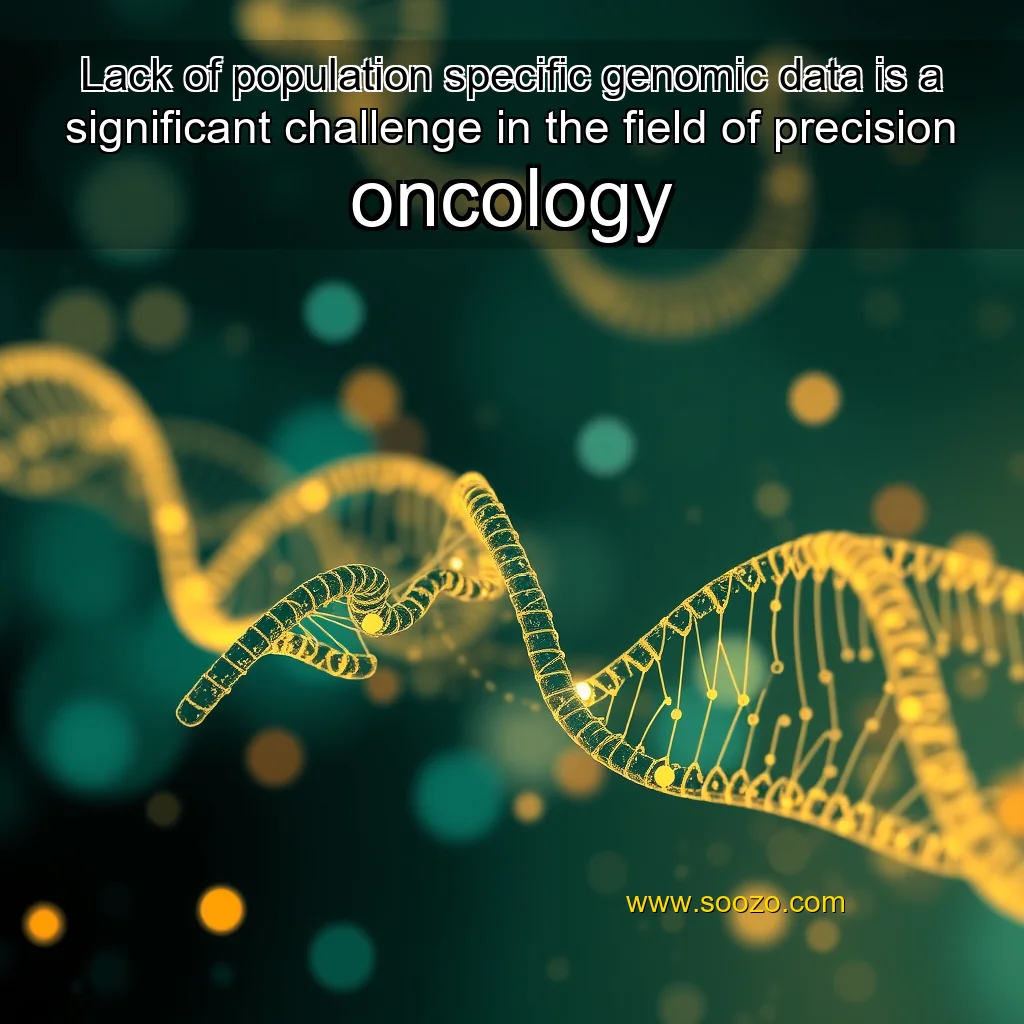
The lack of population-specific genomic data is a significant challenge in the field of cancer research. Most existing research and strategies are based on Western populations, which may not accurately represent the genetic diversity of other populations. This limitation can lead to ineffective treatments and poor patient outcomes. The majority of cancer research is conducted on Western populations, which may not reflect the genetic diversity of other populations. This lack of representation can lead to:*
- Ineffective treatments
- Poor patient outcomes
- Limited understanding of cancer biology
- Inadequate representation of genetic diversity
- Targeted therapies: Precision oncology allows for the use of targeted therapies, which are designed to attack specific cancer cells while leaving healthy cells intact. Immunotherapies: Immunotherapies, such as checkpoint inhibitors, can be used to stimulate the immune system to attack cancer cells. Personalized treatment: Precision oncology enables personalized treatment plans, tailored to the individual patient’s genetic profile and cancer characteristics.
Vrushti Kothari
news is a contributor at Soozo. We are committed to providing well-researched, accurate, and valuable content to our readers.
You May Also Like
The Solution: SoLiQ
SoLiQ is a revolutionary approach that is redefining how cancer is understood and managed.
4baseCare’s approach is to leverage cutting-edge technologies such as machine learning and artificial intelligence to analyze genomic data and identify patterns that can help in developing targeted therapies. 4baseCare’s mission is to provide personalized medicine solutions that can help in improving patient outcomes and reducing the burden of cancer on patients and their families.
The Complexity of Cancer
Cancer is a multifaceted disease that affects millions of people worldwide. It is characterized by uncontrolled cell growth, genetic mutations, and the ability to invade surrounding tissues and spread to distant parts of the body. The complexity of cancer lies in its genetic heterogeneity, which makes it challenging to develop effective treatments. Key characteristics of cancer: + Uncontrolled cell growth + Genetic mutations + Invasion of surrounding tissues + Metastasis to distant parts of the body
The Need for Personalized Medicine
The traditional approach to cancer treatment has been based on a one-size-fits-all approach, where patients are treated with generic therapies that may not be effective for their specific type of cancer. This approach has led to poor patient outcomes and a high burden of cancer on patients and their families. Limitations of traditional cancer treatment: + Lack of personalized medicine + Limited understanding of cancer biology + Ineffective treatments for specific cancer types
4baseCare’s Vision and Approach
4baseCare aims to bridge the data gap in cancer treatment by leveraging cutting-edge technologies such as machine learning and artificial intelligence.
Precision oncology is a medical specialty that focuses on the treatment of cancer using targeted therapies and immunotherapies. It is a highly specialized field that requires a multidisciplinary approach, involving experts from various fields such as oncology, genetics, and molecular biology.
The Rise of Precision Oncology in India
Precision oncology is a rapidly growing field that is transforming the way cancer is treated in India. With the increasing availability of advanced technologies and decreasing costs, precision oncology is becoming more accessible to patients across the country. In the next decade, it is expected that precision oncology will become a core part of cancer care in India, with more hospitals adopting this approach.