The Vision of KP Government for Science and Technology
The KP government has set ambitious goals for the development of science and technology in the province. The Minister emphasized that the government is committed to investing in large-scale projects that can have a significant impact on the lives of the people. He highlighted the importance of science and technology in addressing the challenges faced by the province, such as poverty, unemployment, and environmental degradation.
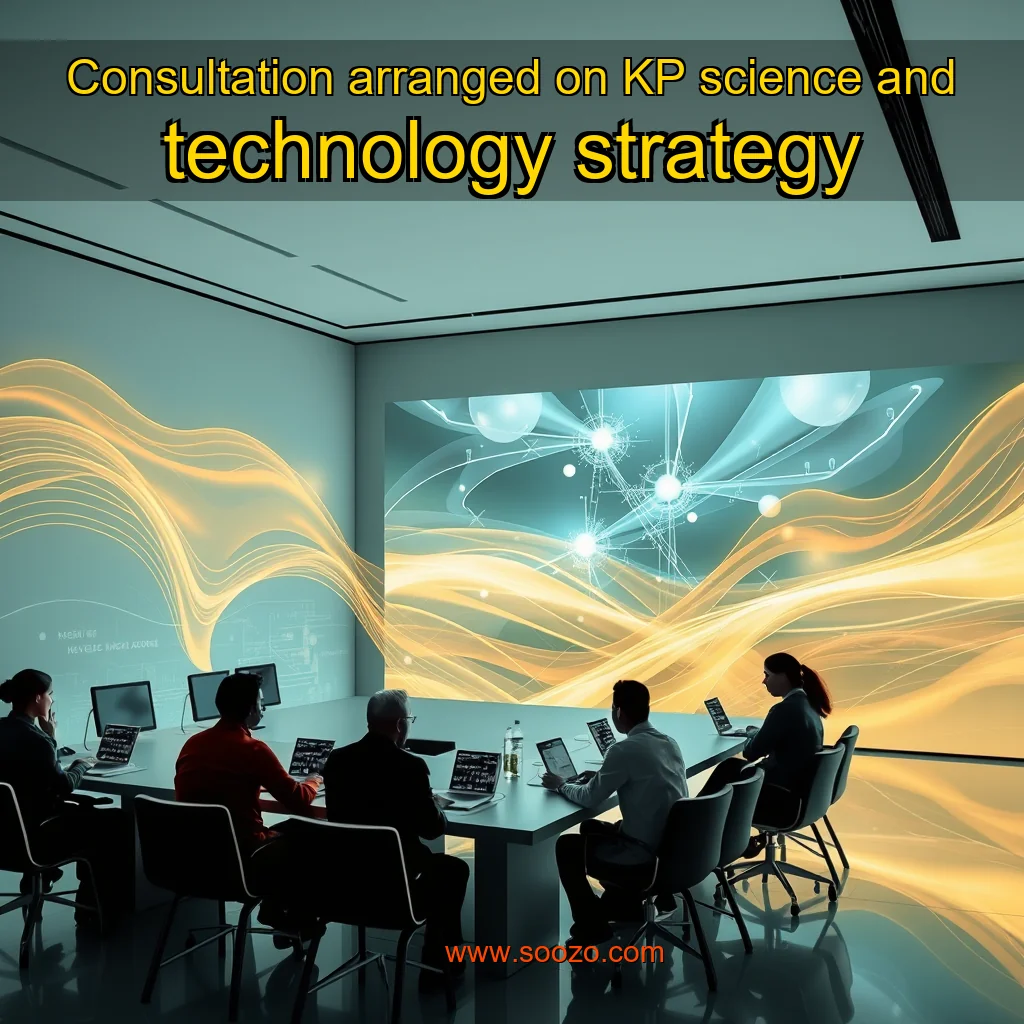
The session was attended by 12 participants from various sectors including academia, industry, and government. The participants were asked to provide input on the development of the S&T policy framework. The participants were divided into three groups to provide input on the following areas:
- Climate change and environment
- Law and order
- Energy and mines
- Agriculture
- Corruption prevention
- What are the key challenges facing the province in each area? What are the short-term and long-term goals for each area? What are the key technologies and solutions that can be applied to address the challenges in each area? What are the potential risks and challenges associated with each area?
The Future of Technology: Embracing Innovation
The world is on the cusp of a technological revolution, and it’s essential to acknowledge the importance of embracing innovation to stay ahead of the curve. The rapid pace of technological advancements has led to the development of various cutting-edge technologies that have the potential to transform industries and revolutionize the way we live and work.
The Need for Interdisciplinary Collaboration
To harness the full potential of these emerging technologies, it’s crucial to foster interdisciplinary collaboration among experts from diverse fields. This includes scientists, engineers, policymakers, and industry leaders who can share their knowledge and expertise to drive innovation. Nanotechnology: The manipulation of matter at the molecular level has led to breakthroughs in fields like medicine, energy, and materials science. Biotechnology: The application of biological systems and organisms to develop new products and technologies has transformed industries like agriculture, healthcare, and biopharmaceuticals. Blockchain Technology: The use of distributed ledger technology to record transactions and data has enabled secure, transparent, and efficient management of complex systems. IoT: The integration of physical devices, vehicles, and buildings with the internet has created a network of interconnected systems that can collect and analyze vast amounts of data. Robotics: The development of intelligent machines that can perform tasks autonomously has transformed industries like manufacturing, logistics, and healthcare. Quantum Computing: The use of quantum-mechanical phenomena to perform calculations has the potential to solve complex problems that are currently unsolvable with traditional computers.
news is a contributor at Soozo. We are committed to providing well-researched, accurate, and valuable content to our readers.
You May Also Like
The participants were given a set of questions to answer, which included questions on the following topics: