The Rise of IoT and Its Impact on Customer Service
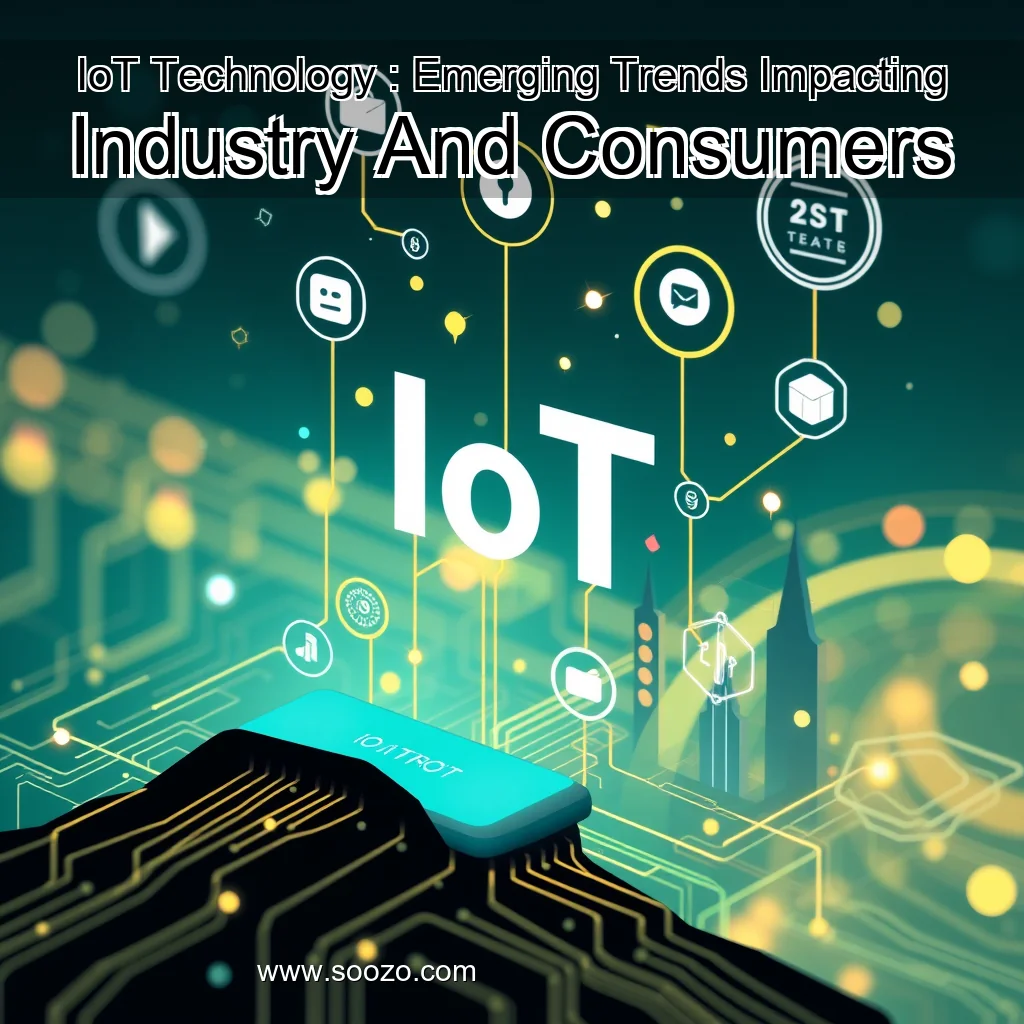
The Internet of Things (IoT) refers to the network of physical devices, vehicles, home appliances, and other items embedded with sensors, software, and connectivity, allowing them to collect and exchange data. This technology has been gaining momentum in recent years, with various industries adopting it to improve efficiency, productivity, and customer experience.
Key Benefits of IoT for Customer Service
Here’s a closer look at the emotion-aware devices and their potential impact on various industries.
Emotion-Aware Devices: The Future of Customer Experience
The concept of emotion-aware devices has been gaining traction in recent years, with companies like Amazon and Google already incorporating emotional intelligence into their products. These devices use a combination of sensors, such as facial recognition, heart rate monitoring, and speech analysis, to detect human emotions. The data collected is then used to provide personalized recommendations, improve customer service, and enhance overall user experience.
Key Features of Emotion-Aware Devices
The Rise of IoT in Less Connected Environments
The Internet of Things (IoT) has been rapidly expanding its reach into various sectors, including industries that were previously considered “less connected.” These sectors include agriculture, manufacturing, and transportation, among others. The IoT has the potential to revolutionize the way these industries operate, but it also presents unique challenges, particularly when it comes to connectivity.
Challenges of IoT in Less Connected Environments
IoT devices often rely on a stable and fast internet connection to function effectively. However, in environments where connectivity is limited or unreliable, this can be a significant issue. For example, in rural areas with poor internet coverage, IoT devices may not be able to communicate with the cloud or other devices, leading to reduced functionality and increased maintenance costs. Limited connectivity options: In areas with poor internet coverage, IoT devices may not be able to connect to the cloud or other devices, limiting their functionality. Increased maintenance costs: Reduced connectivity can lead to increased maintenance costs, as devices may need to be replaced or repaired more frequently.
The Rise of IoT-Driven AI
The Internet of Things (IoT) has been rapidly expanding its reach in recent years, transforming the way we live and work. At the heart of this revolution is the integration of Artificial Intelligence (AI) with IoT devices. This synergy has given rise to a new era of smart technologies, where devices can collect and analyze vast amounts of data, providing businesses and consumers with unprecedented insights.
The Power of Sensor Hardware
Advances in sensor hardware are a key driver of this IoT-driven AI revolution. Sensors are embedded in various devices, from smart home appliances to industrial equipment, and are capable of collecting a wide range of data.
Harnessing AI to Revolutionize Network Reliability and Efficiency.
Introduction
The concept of self-healing networks has been gaining traction in recent years, particularly in the realm of telecommunications and computer science. At its core, self-healing networks utilize artificial intelligence (AI) to detect, diagnose, and resolve connectivity issues automatically. This innovative approach has the potential to revolutionize the way we think about network reliability and efficiency.
Benefits of Self-Healing Networks
How Self-Healing Networks Work
Self-healing networks use a combination of AI and machine learning algorithms to detect and diagnose connectivity issues.
This enables manufacturers to make data-driven decisions and optimize their operations.
The Benefits of the Industrial Internet of Things
The Industrial Internet of Things (IIoT) is transforming the manufacturing industry by providing real-time data and insights that were previously unavailable. By connecting machines and systems to a centralized platform, manufacturers can access a wealth of information that was previously hidden from view.
5G has also been used to monitor the health of the environment, tracking the spread of diseases and monitoring air quality.
The Rise of Smart Cities
A New Era of Urban Planning
The convergence of AI and the IoT within smart city networks is transforming the way cities are designed, managed, and governed. 5G technology is at the forefront of this revolution, enabling faster speeds and more reliable connections with fewer delays. This has opened up new possibilities for urban planning, allowing cities to become more efficient, sustainable, and livable. * Improved Public Services: 5G enables cities to provide better public services, such as:**
- Smart Lighting: Intelligent lighting systems that adjust brightness and color based on time of day and ambient light. Smart Traffic Management: Real-time traffic monitoring and optimization, reducing congestion and improving air quality. * Smart Waste Management: Intelligent waste collection systems that optimize routes and reduce waste disposal costs.
Edge computing has the potential to revolutionize the way we live and work.
Edge Computing: The Future of Data Processing
What is Edge Computing? Edge computing is a distributed computing model that brings data processing closer to its source, reducing latency and improving real-time decision-making. This approach involves deploying computing resources, such as servers, at the edge of the network, where data is generated. By processing data closer to its source, edge computing enables faster and more efficient data analysis, reducing the need for data to be transmitted to the cloud or a central server. ### Benefits of Edge Computing
- Reduced Latency: Edge computing minimizes the distance data needs to travel, resulting in faster processing times and improved real-time decision-making. Improved Security: By processing data closer to its source, edge computing reduces the risk of data breaches and cyber attacks. Increased Efficiency: Edge computing enables data to be processed in real-time, reducing the need for data to be stored and transmitted, and improving overall system efficiency. * Enhanced Decision-Making: Edge computing enables faster and more accurate decision-making, as data is processed closer to its source and in real-time. ### Applications of Edge Computing**
- Industrial Automation: Edge computing can be used to optimize industrial processes, improve efficiency, and reduce costs.
The mini models are particularly useful for edge computing, which involves processing data closer to the source, reducing latency and improving efficiency.
Introduction
The rise of the Internet of Things (IoT) has led to an explosion of connected devices, from smart home appliances to industrial sensors. As these devices generate vast amounts of data, the need for efficient data processing and analysis has become increasingly important. This is where mini large language models come in – a new breed of AI-powered devices designed to work on devices with limited resources.
What are Mini Large Language Models? Mini large language models are a type of AI model that is specifically designed to work on devices with limited processing power and memory. They are typically smaller and more efficient than traditional large language models, making them ideal for edge computing applications. Edge computing involves processing data closer to the source, reducing latency and improving efficiency. ### Key Features
- Low Power Consumption: Mini large language models are designed to consume minimal power, making them suitable for battery-powered devices. Compact Size: They are typically smaller and more compact than traditional large language models, making them ideal for IoT devices. Efficient Processing: Mini large language models are optimized for efficient processing, reducing latency and improving performance.
Fragmentation hinders innovation and creates complexity in the IoT market.
The Rise of IoT Interoperability Standards
The Internet of Things (IoT) has been rapidly expanding its presence in our daily lives, with billions of devices connected to the internet. However, this proliferation has also led to a significant challenge: interoperability. Different devices and systems from various manufacturers often fail to communicate seamlessly with each other, resulting in a fragmented market.
The Problem of Fragmentation
- Inconsistent standards: The lack of standardized protocols and communication methods leads to a patchwork of incompatible devices. Increased complexity: This fragmentation makes it difficult for consumers to manage and control their smart devices.
The Need for Zero-Knowledge Encryption
In today’s digital landscape, the need for secure communication has never been more pressing. With the rise of the internet of things (IoT), artificial intelligence (AI), and big data, the potential for data breaches and cyber attacks has increased exponentially. This is where zero-knowledge encryption comes in – a technology that enables secure communication without revealing sensitive information.
How Zero-Knowledge Encryption Works
Zero-knowledge encryption is based on the concept of homomorphic encryption, which allows computations to be performed on encrypted data without decrypting it first. This means that even the recipient of the encrypted data cannot access the underlying information. The process involves three main components:
- Key Generation: A pair of keys is generated, one public and one private. The public key is used for encryption, while the private key is used for decryption. Encryption: The plaintext message is encrypted using the public key, resulting in ciphertext. Decryption: The ciphertext is decrypted using the private key, revealing the original plaintext message. ### Benefits of Zero-Knowledge Encryption**
Benefits of Zero-Knowledge Encryption
Zero-knowledge encryption offers several benefits, including:
- Secure Communication: Zero-knowledge encryption ensures that sensitive information remains confidential, even when transmitted over insecure channels. Trustless Transactions: Zero-knowledge encryption enables trustless transactions, where parties can verify the authenticity of transactions without revealing sensitive information.
news is a contributor at Soozo. We are committed to providing well-researched, accurate, and valuable content to our readers.
You May Also Like