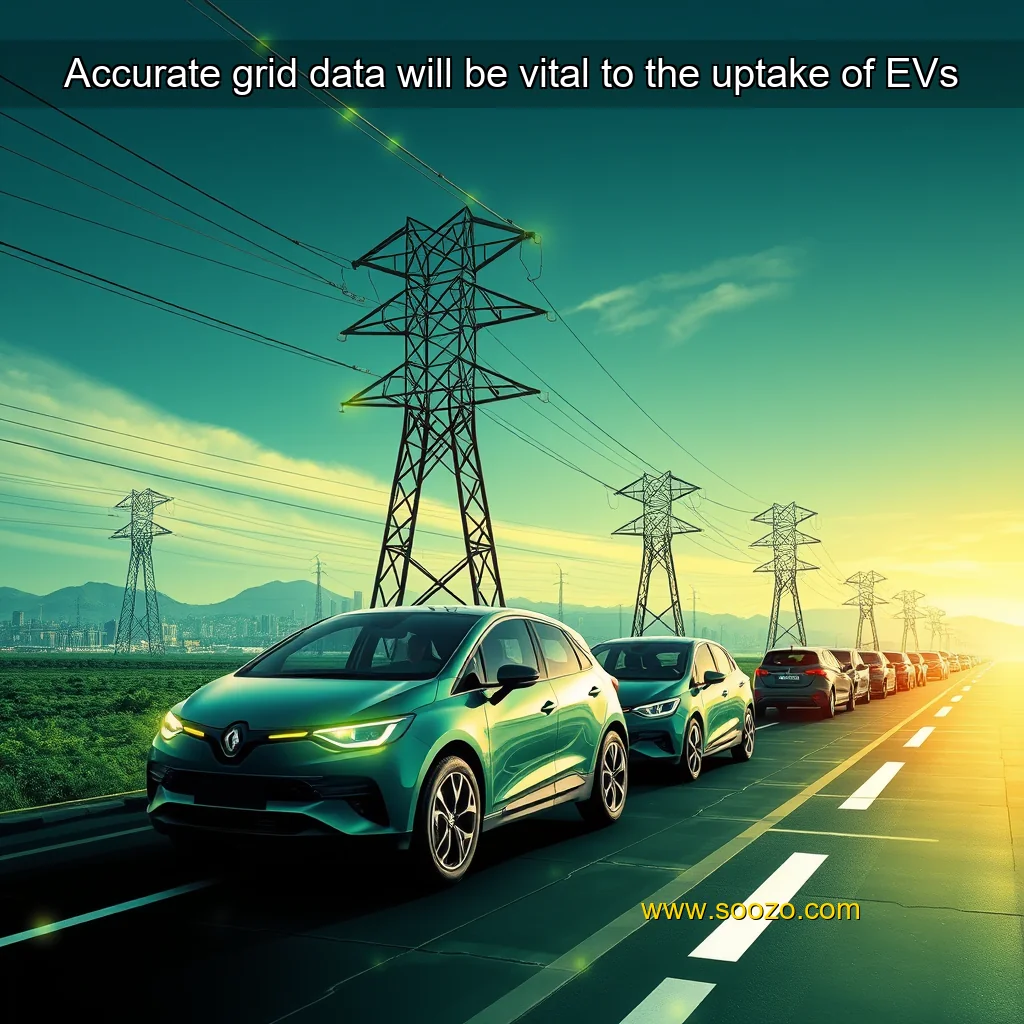
Data analytics can help utilities to better understand customer behavior, optimize energy usage, and predict energy demand. This is crucial for the widespread adoption of electric vehicles, as it enables utilities to manage the increased strain on the grid.
Understanding the Role of Data in Electric Vehicle Adoption
The Importance of Data Analytics
Data analytics plays a crucial role in the transition to electric vehicles. By analyzing data on customer behavior, energy usage, and energy demand, utilities can gain valuable insights into the needs of their customers.
Charging Strategies for Utilities
As the demand for electric vehicles (EVs) continues to rise, utilities are facing significant pressure on their local grids. The increasing number of home and public charging points is putting a strain on the existing infrastructure, making it essential for utilities to implement effective charging strategies. In this article, we will explore the challenges utilities face and discuss the importance of implementing charging strategies to ensure a sustainable and efficient energy supply.
Challenges Faced by Utilities
Utilities are facing several challenges in managing the growing demand for electricity from EVs. Some of the key challenges include:
Importance of Charging Strategies
Implementing charging strategies is crucial for utilities to ensure a sustainable and efficient energy supply. Some of the key benefits of charging strategies include:
This can be achieved through various means, including:
Automated Demand-Response Systems
Automated demand-response systems can be integrated with smart charging systems to optimize energy consumption. These systems use real-time data to adjust charging schedules, reducing peak demand and minimizing strain on the grid. Real-time data analysis: Automated systems can analyze real-time data from various sources, including weather forecasts, traffic patterns, and energy usage. Predictive analytics: By analyzing historical data and trends, automated systems can predict energy demand and adjust charging schedules accordingly. * Machine learning algorithms: Advanced algorithms can be used to optimize charging schedules, taking into account factors such as energy storage, grid capacity, and charging infrastructure.**
Smart Charging Systems
Smart charging systems can be integrated with automated demand-response systems to optimize energy consumption. These systems use advanced technologies, such as:
Grid Management
Effective grid management is crucial to balancing energy supply with the surge in EV demand.
The Importance of Digitising Workflows
In today’s digital age, digitising workflows is crucial for utilities to stay competitive and efficient. By converting traditional paper-based processes into digital formats, utilities can streamline their operations, reduce errors, and enhance customer experience.
Benefits of Digitisation
Integrating Mobile Solutions
Integrating mobile solutions is another critical step for utilities to maintain synchronisation of physical network data. By allowing data input from multiple decentralised sources, operations become future-proof, preparing them for the future.
Advantages of Mobile Integration
Preparing for the Future
By digitising workflows and integrating mobile solutions, utilities can prepare themselves for the future. This includes:
Conclusion
In conclusion, digitising workflows and integrating mobile solutions are essential steps for utilities to maintain synchronisation of physical network data. By doing so, utilities can improve their operations, enhance customer experience, and prepare themselves for the future.
However, the industry still has a long way to go to achieve the desired level of digital maturity.
The Current State of the Utility Industry
The utility industry is at a critical juncture, with the need to rapidly adapt to the changing energy landscape. The increasing demand for renewable energy sources, coupled with the growing importance of energy efficiency, has created a pressing need for utilities to modernize their operations.
The Importance of Digitisation in Automation
Digitisation is a crucial aspect of automation, as it enables the efficient collection and processing of data. In the context of network operators, digitisation allows for the automation of various processes, such as network maintenance, fault detection, and customer service. However, digitisation is not just a means to an end; it is also a key driver of innovation and growth.
Benefits of Digitisation
The Challenges of Managing EV Charging Infrastructure
As the world transitions to a more sustainable future, electric vehicles (EVs) are becoming increasingly popular. However, the rapid growth of EV adoption poses significant challenges for utilities and their network management systems. One of the primary concerns is the strain on the electrical grid, which can lead to power outages and increased energy costs. Key challenges: + Managing the increased demand on the grid + Ensuring reliable and efficient charging infrastructure + Addressing the variability of renewable energy sources + Providing real-time monitoring and control of charging stations
The Role of Advanced Network Management Solutions
To address these challenges, utilities are turning to advanced network management solutions that can provide real-time monitoring and control of EV charging infrastructure.

news is a contributor at Soozo. We are committed to providing well-researched, accurate, and valuable content to our readers.