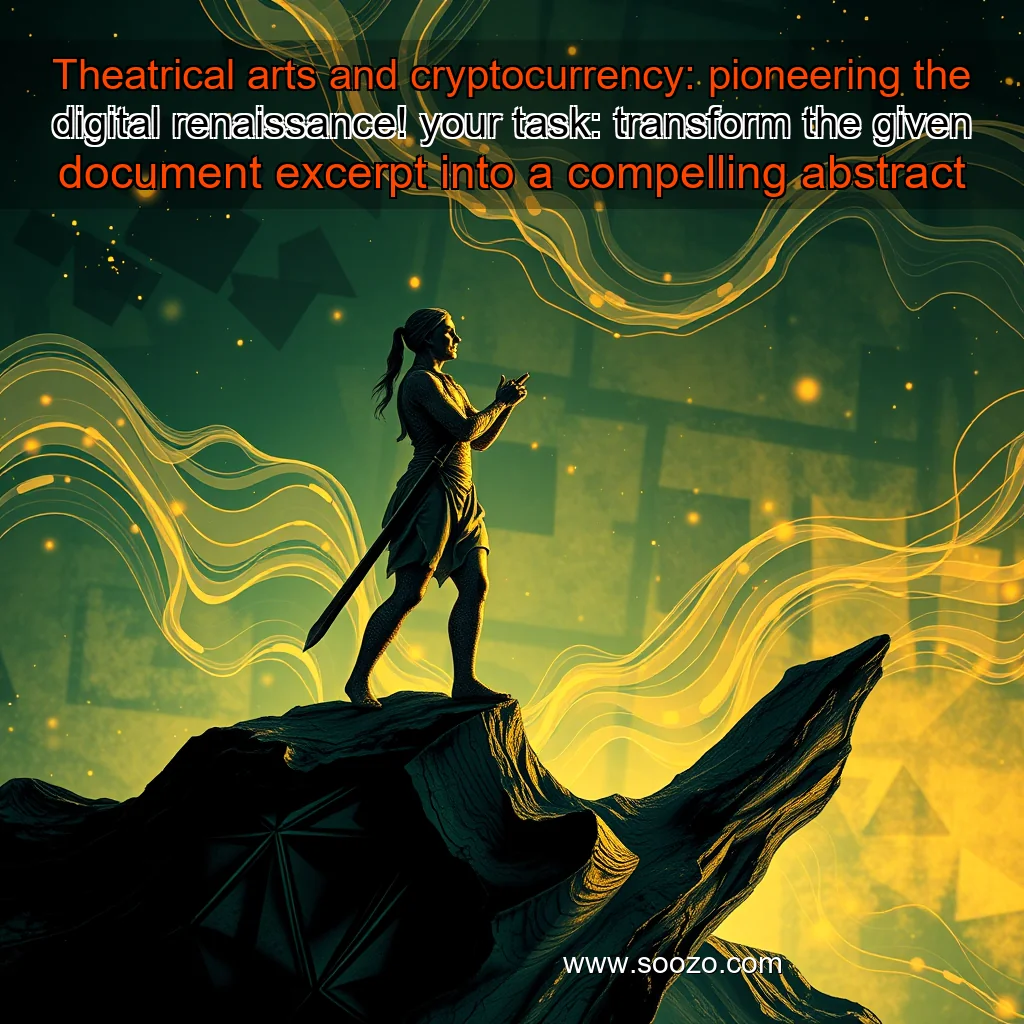
The opera house partnered with a cryptocurrency platform to create a token-based membership system that rewards members with exclusive content and perks.
The Rise of Token-Based Funding
The traditional model of arts patronage has long been based on donations and grants from wealthy individuals and institutions. However, with the advent of cryptocurrency and blockchain technology, a new era of funding has emerged. Token-based funding is a system where artists and creators can issue their own tokens, which can be bought and sold by fans and collectors. These tokens can be used to access exclusive content, attend events, or receive other perks. Key features of token-based funding: + Artists can issue their own tokens + Tokens can be bought and sold by fans and collectors + Tokens can be used to access exclusive content or attend events + Tokens can be traded on cryptocurrency exchanges
Blockchain-Based Membership Programs
The English National Opera’s blockchain-based membership program is a prime example of the innovative funding mechanisms being explored in the arts. The program allows members to purchase tokens that can be redeemed for exclusive content, such as behind-the-scenes videos or access to exclusive events.
The Rise of NFTs in Theatrical Performances
The world of theatre has undergone a significant transformation with the advent of non-fungible tokens (NFTs). These digital assets have opened up new avenues for artists, producers, and audiences alike, revolutionizing the way we experience and engage with theatrical performances.
Key Benefits of NFTs in Theatrical Performances
The Role of Smart Contracts in NFTs
Smart contracts play a crucial role in the NFT ecosystem, ensuring that transactions are secure, transparent, and tamper-proof.
The blockchain’s immutable ledger ensures that ownership and provenance are transparent and tamper-proof.
The Rise of Virtual Theater Spaces
The COVID-19 pandemic accelerated the development of virtual theater spaces, as the need for social distancing and remote access became increasingly important. This shift has led to the creation of immersive, interactive experiences that blur the lines between the physical and digital worlds. Key features of virtual theater spaces include:
- Immersive storytelling through 360-degree videos and virtual reality (VR) experiences
- Interactive elements, such as live chat and Q&A sessions with the cast and crew
- Virtual audience participation, including voting and feedback mechanisms
- Decentralized platforms that enable global accessibility and community engagement
- Improved verification: Blockchain-based credentials ensure that information is accurate and up-to-date, reducing the risk of misinformation or tampering.
Smart contracts empower artists to collaborate, share resources, and manage finances more efficiently.
The Rise of Smart Contracts in the Arts
The integration of smart contracts in the arts has revolutionized the way artists collaborate, share resources, and manage their finances. This technology, which utilizes blockchain and cryptocurrency, has opened up new avenues for artists to connect with each other and with their audiences.
Benefits for Artists
- Increased collaboration: Smart contracts enable artists to work together on projects, regardless of their geographical location. This has led to the creation of innovative and diverse works that might not have been possible otherwise. * Improved resource sharing: Artists can now share resources, such as equipment, software, and expertise, more easily and efficiently.
Decentralized art platforms are transforming the art world by providing transparency, security, and accessibility.
In this article, we will explore the transformative power of cryptocurrency and blockchain technology in the arts.
The Rise of Decentralized Art Platforms
The emergence of decentralized art platforms has revolutionized the way artists create, sell, and showcase their work. These platforms utilize blockchain technology to create a transparent, secure, and tamper-proof record of art ownership and provenance. This has opened up new opportunities for artists to connect directly with collectors and fans, bypassing traditional intermediaries like galleries and dealers. Key features of decentralized art platforms: + Transparency: Blockchain technology provides a clear and auditable record of art ownership and provenance. + Security: Decentralized platforms use advanced cryptography to protect art ownership and prevent tampering.
The Echidna Sharp: A Groundbreaking Innovation in Underwater Exploration
The Echidna Sharp is a revolutionary underwater exploration tool that has been making waves in the scientific community. This innovative device is designed to navigate and map the seafloor with unprecedented accuracy, opening up new avenues for research and discovery.
How it Works
The Echidna Sharp uses a combination of advanced sonar technology and artificial intelligence to create a detailed, 3D map of the seafloor.
The Rise of the Internet and the Emergence of the ACM
The rise of the internet has revolutionized the way we communicate, access information, and live our lives. As the world became increasingly interconnected, the need for a platform that could provide a diverse range of perspectives and voices grew. This is where the Association for Computing Machinery (ACM) comes in – a leading organization that has been at the forefront of the digital revolution.
A Brief History of the ACM
Founded in 1947, the ACM has a rich history that spans over seven decades. Initially, the organization focused on promoting the development of computer science and technology. Over the years, the ACM has evolved to become a global community that encompasses a wide range of interests and disciplines. The ACM has been instrumental in shaping the field of computer science, from the development of the first programming languages to the creation of the first web browsers. The organization has also played a significant role in promoting diversity and inclusion in the tech industry, with initiatives such as the ACM Women in Computing Committee and the ACM Diversity and Inclusion Committee.*
The ACM Network
The ACM network is a platform that brings together experts, researchers, and enthusiasts from all over the world. The network provides a space for people to share their ideas, collaborate on projects, and stay up-to-date with the latest developments in the field.
news is a contributor at Soozo. We are committed to providing well-researched, accurate, and valuable content to our readers.
You May Also Like
Tokenizing Ephemeral Works
Blockchain technology has enabled artists to create permanent records of their ephemeral works, such as performances, installations, and exhibitions. This has opened up new opportunities for artists to monetize their creations and connect with global audiences.
The rise of DAOs has also led to the emergence of new business models, such as token-based revenue sharing and community-driven fundraising.
The Rise of Decentralized Autonomous Organizations (DAOs) in Theatrical Governance
The theatrical industry has long been characterized by a hierarchical structure, with producers, directors, and actors holding significant power and control over productions. However, the emergence of Decentralized Autonomous Organizations (DAOs) has disrupted this traditional model, offering a new paradigm for governance and funding in the industry.
Community-Driven Decision-Making
DAOs enable community-driven decision-making about programming, casting, and resource allocation. This shift in power dynamics allows for a more inclusive and participatory approach to theatrical production.
Decentralized marketplaces facilitate peer-to-peer transactions without intermediaries. These innovations enable the digital art market to flourish while ensuring the integrity and value of artworks.
Step 1: Understanding the Challenges of Authenticity and Provenance
The digital art market has long struggled with issues of authenticity and provenance. In traditional art markets, these concerns are often addressed through physical documentation and authentication processes, which can be time-consuming and costly. However, digital art presents unique challenges due to its intangible nature.
Step 2: Introducing Blockchain Technology
Blockchain technology offers a solution to these challenges by creating a transparent and tamper-proof record of ownership and provenance. Immutable ledgers store digital certificates of authenticity, which serve as a permanent and unalterable record of an artwork’s ownership history.
Step 3: Smart Contracts for Automated Agreements
Smart contracts automate insurance, transportation, and display rights agreements, ensuring that these agreements are executed in a transparent and fair manner. These contracts can be programmed to trigger specific actions or events, such as the payment of royalties or the transfer of ownership, when certain conditions are met.
Step 4: Decentralized Marketplaces for Peer-to-Peer Transactions
Decentralized marketplaces facilitate peer-to-peer transactions without the need for intermediaries. This approach eliminates the costs and risks associated with traditional market intermediaries, such as galleries and dealers. Decentralized marketplaces also enable artists to connect directly with buyers, increasing transparency and trust.
Step 5: Ensuring the Integrity and Value of Artworks
The innovations enabled by blockchain technology and decentralized marketplaces ensure the integrity and value of artworks. By providing a transparent and tamper-proof record of ownership and provenance, blockchain technology helps to prevent counterfeiting and ensure the authenticity of artworks.
Verifying artistic credentials just got a whole lot more secure.
The Rise of Blockchain-Based Credentials in the Arts
The integration of blockchain technology in the arts has been gaining momentum in recent years. One of the most significant applications of this technology is in the creation of blockchain-based credentials for students and professionals in the performing arts. These credentials provide a secure and transparent way to verify an individual’s achievements and expertise.