Harnessing the Power of AI-Powered Business Intelligence Tools to Revolutionize the Future of Work.
In this article, we will explore the transformative power of AI-powered business intelligence tools and their potential to reshape the future of work.
The Rise of AI-Powered Business Intelligence Tools
The integration of artificial intelligence (AI) and business intelligence (BI) has given birth to a new generation of analytics tools. These AI-powered BI tools are leveraging machine learning algorithms, natural language processing, and other advanced technologies to provide businesses with unparalleled insights and predictive capabilities. Key features of AI-powered BI tools include: + Advanced data analysis and visualization + Predictive analytics and forecasting + Automated reporting and dashboard creation + Integration with various data sources and platforms + Enhanced data security and compliance
The Impact on Business Operations
AI-powered BI tools are transforming the way businesses operate, from strategy development to execution. These tools are enabling companies to make data-driven decisions, optimize processes, and improve customer experiences.
AI-driven insights can also help companies optimize their operations, improve customer satisfaction, and increase revenue.
AI-Driven Insights in Microsoft Power BI
Unlocking Business Potential
Microsoft Power BI has long been a leading business intelligence platform, providing users with a comprehensive set of tools to analyze and visualize data. However, with the integration of AI capabilities through Microsoft Azure, Power BI has taken a significant leap forward. This new development enables companies to tap into the power of artificial intelligence, unlocking new insights and driving business growth.
Predicting Customer Behavior
One of the key benefits of AI-driven insights in Power BI is the ability to predict customer behavior. By analyzing historical data and market trends, companies can identify patterns and make informed decisions about future customer needs. This can be particularly useful in industries such as retail, where understanding customer behavior can inform marketing campaigns and drive sales. Key features of AI-driven customer behavior prediction: + Analyzing historical data to identify patterns and trends + Using machine learning algorithms to predict future behavior + Providing actionable insights to inform business decisions
Identifying Potential Issues in Supply Chains
AI-driven insights in Power BI can also help companies identify potential issues in their supply chains. By analyzing data from various sources, including sensors and IoT devices, companies can detect anomalies and predict potential disruptions. This can help companies proactively address issues and minimize the impact of disruptions on their business.
IBM Watson Natural Language Processing (NLP) capabilities enable users to extract insights from unstructured data, such as text and speech. IBM Watson Assistant is a conversational AI platform that allows users to build chatbots and virtual assistants.
Integrating Large Language Models into Business Intelligence Platforms
Pyramid Analytics, a leading provider of business intelligence platforms, is revolutionizing the way organizations approach data analysis and decision-making.
Transforming Business with Data-Driven Insights and AI-Powered Automation.
The Rise of Business Intelligence and Artificial Intelligence in the Digital Age
In the digital age, businesses are leveraging two powerful technologies to gain a competitive edge: Business Intelligence (BI) and Artificial Intelligence (AI). These technologies are transforming the way companies make decisions, optimize operations, and interact with customers. In this article, we’ll delve into the world of BI and AI, exploring their applications, benefits, and the impact they’re having on various industries.
The Power of Business Intelligence
Business Intelligence is a set of technologies and techniques used to analyze and interpret complex data from various sources. It enables organizations to make informed decisions by providing insights into their operations, customers, and market trends. BI tools and systems help companies to:
The Rise of Artificial Intelligence
Artificial Intelligence is a subset of BI that focuses on using algorithms and machine learning to analyze and interpret data. AI-powered BI systems can analyze vast amounts of data, identify complex patterns, and make predictions about future trends.
This shift will lead to a more collaborative and inclusive work environment.
The Rise of AI-Powered Business Intelligence
The world of business intelligence (BI) is undergoing a significant transformation, driven by the integration of artificial intelligence (AI) and machine learning (ML) technologies. This convergence is revolutionizing the way organizations approach data analysis, decision-making, and reporting.
The Impact on Knowledge Workers
The introduction of AI-powered BI is expected to have a profound impact on the roles of knowledge workers. With the ability to describe data needs in plain language and still obtain timely, relevant results, more people will have access to insights that were previously only available to a select few.
However, the increasing reliance on AI-powered BI can also lead to a loss of human intuition and critical thinking skills.
The Benefits of AI-Powered BI
AI-powered Business Intelligence (BI) systems have revolutionized the way businesses operate. These systems use artificial intelligence and machine learning algorithms to analyze large datasets, identify patterns, and provide actionable insights. The benefits of AI-powered BI are numerous:
The Risks of Over-Reliance on AI-Powered BI
While AI-powered BI systems offer numerous benefits, there are also risks associated with over-reliance on these systems. Some of the risks include:
Building a Strong Data Culture
A strong data culture is essential for ensuring that AI systems align with a company’s values and respect customer privacy. This involves creating an environment where data is treated as a valuable asset, and where data professionals are empowered to make decisions that prioritize customer needs. Key elements of a strong data culture include: + A clear understanding of data governance and compliance + A data-driven decision-making process + A culture of transparency and accountability + A focus on customer-centricity + A commitment to ongoing learning and improvement By building a strong data culture, leaders can create an environment where AI systems are designed to prioritize customer needs and respect their privacy.
The Rise of AI-Powered Business Intelligence
The traditional Business Intelligence (BI) landscape is undergoing a significant transformation. The rise of Artificial Intelligence (AI) is revolutionizing the way businesses approach data analysis, decision-making, and strategy development. AI-powered BI systems are no longer just a luxury, but a necessity for organizations that want to stay competitive in today’s fast-paced digital landscape.
Key Characteristics of AI-Powered BI
The Limitations of Legacy BI Tools
Legacy BI tools are struggling to keep up with the speed and sophistication of AI-powered systems.
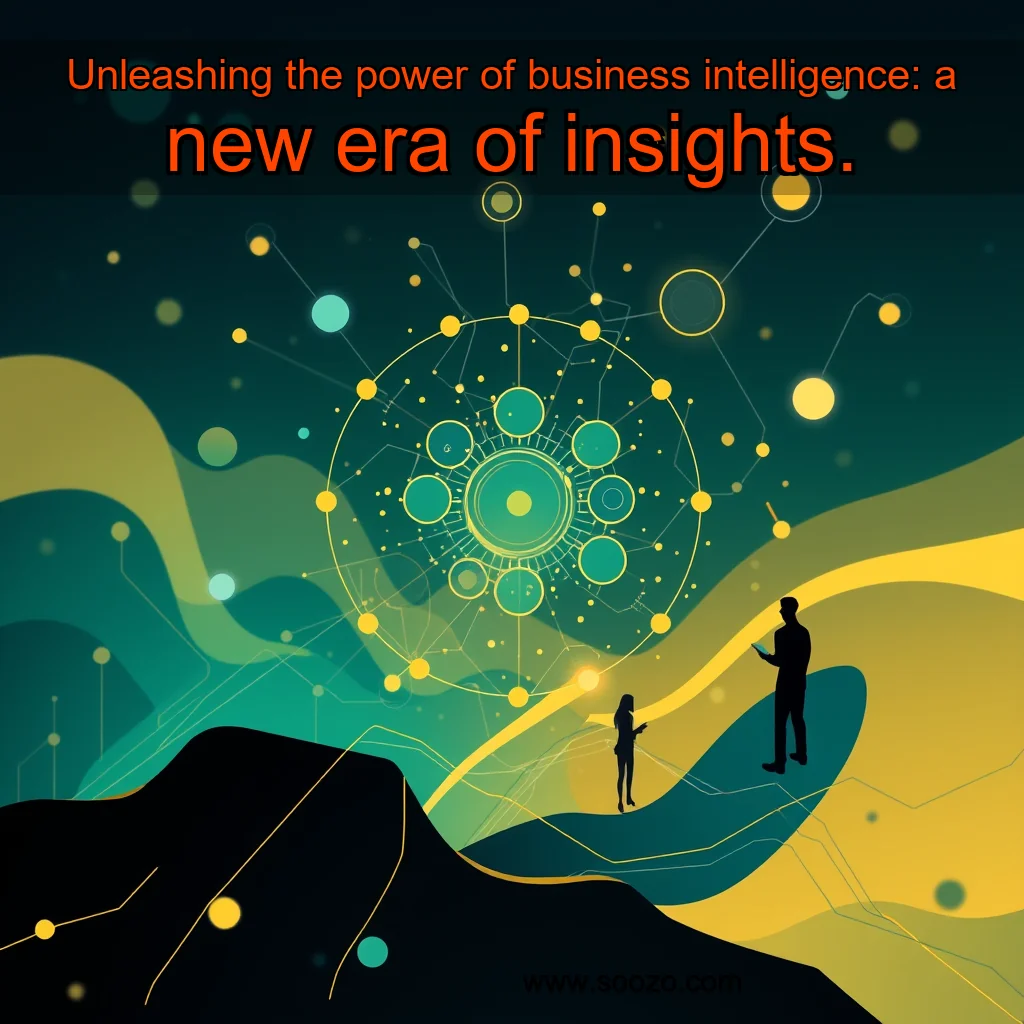
The Rise of AI-Powered BI: A New Era of Business Intelligence
The world of business intelligence (BI) is undergoing a significant transformation, driven by the rapid advancement of artificial intelligence (AI) technologies. AI-powered BI is revolutionizing the way organizations collect, analyze, and interpret data, enabling them to make more informed decisions and drive business growth.
Key Benefits of AI-Powered BI
Challenges and Concerns
While AI-powered BI offers many benefits, it also raises several concerns and challenges. Some of the key issues include:

news is a contributor at Soozo. We are committed to providing well-researched, accurate, and valuable content to our readers.