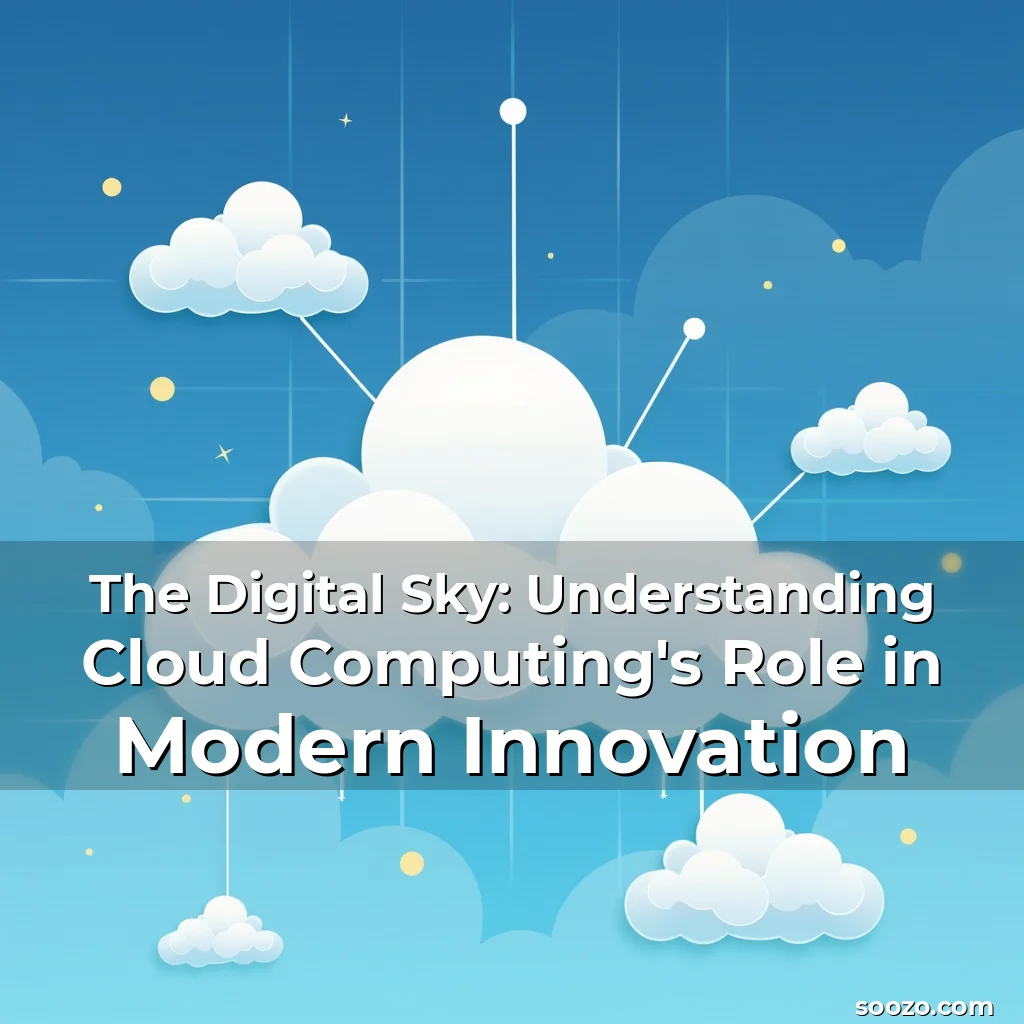
The Digital Sky: Understanding Cloud Computing’s Role in Modern Innovation
In an era where data is the new oil, cloud computing has emerged as the invisible engine driving technological progress across industries. From storing personal photos to powering global financial systems, the cloud has become the backbone of our digital lives.
This transformation didn’t happen overnight. Over the past two decades, advancements in networking infrastructure, virtualization technologies, and distributed computing have converged to create what we now call cloud computing—a paradigm shift that continues to redefine how businesses operate and individuals interact with technology.
The Evolution of Data Storage and Processing
Before cloud computing became mainstream, organizations relied heavily on local servers housed within their physical premises. This model required significant capital investment in hardware, dedicated IT staff for maintenance, and constant upgrades to accommodate growing needs.
As internet connectivity improved and bandwidth increased, companies began exploring alternative solutions. The concept of remote server access laid the foundation for what would eventually become cloud computing, enabling users to store and retrieve files from offsite locations without needing direct control over the underlying hardware.
- Data Accessibility: Users could access stored information from any location with an internet connection, eliminating geographical limitations previously imposed by localized storage solutions.
- Cost Efficiency: Organizations could reduce upfront costs associated with purchasing and maintaining physical servers by leasing computational resources on-demand through third-party providers.
Differentiating Public, Private, and Hybrid Cloud Models
The distinction between public, private, and hybrid clouds lies primarily in ownership structure and deployment methodology. These variations cater to different organizational requirements while offering varying degrees of security, customization, and cost-effectiveness.
A public cloud operates on a multi-tenant architecture where shared resources are available over the internet. Major players include Amazon Web Services (AWS), Microsoft Azure, and Google Cloud Platform (GCP). These services provide scalable infrastructure at competitive rates but may come with concerns regarding data privacy and compliance regulations.
Private Cloud Characteristics
Contrastingly, private clouds offer exclusive use of computing resources either hosted internally within an organization’s own data centers or via external vendors who maintain separate infrastructures specifically allocated for single clients. This setup enhances security controls since there’s no risk of unauthorized access from other entities sharing the same platform.
However, implementing a private cloud often involves higher initial expenditures compared to its public counterpart due to the need for specialized equipment and ongoing operational expenses related to upkeep and support personnel.
Hybrid Cloud Solutions: Bridging Two Worlds
Recognizing the strengths and weaknesses inherent in both public and private models, many enterprises opt for hybrid cloud strategies that combine elements from each approach. By strategically distributing workloads between internal networks and external service providers based on factors such as sensitivity level or performance demands, organizations can optimize resource allocation effectively.
This flexibility allows businesses not only greater control over sensitive data management practices but also enables them leverage economies-of-scale offered by large-scale public cloud platforms when dealing less critical operations requiring high scalability features.
Core Components That Power Cloud Infrastructure
At its core, modern-day cloud environments rely upon several fundamental components working together seamlessly behind-the-scenes ensuring reliable delivery of various services ranging from simple file storage capabilities up sophisticated machine learning applications.
Virtual machines represent one crucial element allowing multiple operating systems instances coexist simultaneously atop single physical host computers thereby maximizing utilization efficiency gains significantly reducing overall power consumption levels compared traditional setups involving dedicated appliances per application instance run separately.
Storage systems form another integral part comprising block-based options designed mainly around databases transactions alongside object-storage mechanisms ideal suited towards handling unstructured datasets common found social media feeds video archives etcetera.
Networking plays equally vital role facilitating secure communications among diverse endpoints whether they reside inside corporate firewalls protected ecosystems accessible remotely via Internet connections maintained consistently low-latency links essential supporting real-time collaboration tools video conferencing services etcetera.
Safety First: Security Measures In Cloud Environments
With increasing reliance placed upon external infrastructures comes heightened responsibility concerning safeguarding confidential business assets against potential threats originating malicious actors seeking exploit vulnerabilities present within complex layered architectures characterizing contemporary cloud deployments.
To mitigate these risks comprehensively, leading industry experts recommend adopting multi-factor authentication protocols supplemented encryption techniques applied transitively throughout entire lifecycle managing sensitive material regardless stage involved transmission processing retention phases alike.
Regular audits performed independently certified professionals ensure alignment best-practice standards established regulatory bodies governing respective jurisdictions wherein particular company conducts activities necessitating adherence specified legal frameworks protecting intellectual property rights preserving consumer trust relationships built years careful stewardship responsible handling entrusted information.
Additionally automated threat detection algorithms continuously monitor suspicious patterns behaviors indicative possible breaches attempting preemptively neutralize imminent dangers before causing irreparable damage compromising integrity confidentiality availability principles cornerstone cybersecurity discipline today’s hyperconnected world.
Economic Implications Of Adopting Cloud Technologies
Migrating legacy systems onto cloud-native platforms typically results substantial reductions recurring operational outlays traditionally consumed maintaining aging infrastructure prone frequent breakdowns requiring expensive repairs replacements every few months.
Moreover pay-as-you-go pricing structures eliminate necessity pre-committing fixed amounts money advance locking away future growth opportunities might otherwise remain untapped because rigid contracts restricted scalability expansion efforts aligned fluctuating market conditions demand cycles experienced regularly across sectors.
Businesses benefit additionally ability rapidly scale compute capacity upwards downwards accordance immediate needs rather than waiting procure additional machinery fulfill temporary surges traffic volume spikes anticipated ahead time schedule accordingly.
This agility translates tangible economic advantages reflected bottom line reports showing decreased overhead expenses coupled enhanced productivity metrics measured employee satisfaction indices indicating happier workforce engaged meaningful tasks instead bogged down mundane administrative duties formerly occupied majority daily routines.
Cloud Computing And Sustainability Efforts
Environmental consciousness has become increasingly important factor influencing decisions made regarding technological implementations pursued nowadays especially considering global climate change challenges faced collectively human population planet Earth.
Interestingly enough adoption widespread usage cloud computing actually contributes positively environmental sustainability goals achieved through centralization efficiencies realized consolidating numerous individualized installations single optimized facilities capable achieving much better energy utilization ratios compared fragmented approaches scattered geographically dispersed locations.
Data center operators implement green initiatives including utilizing renewable energy sources installing advanced cooling systems employing AI-driven predictive analytics monitoring optimizing resource consumption dynamically adjusting parameters according real-time feedback loops capturing latest telemetry measurements collected sensors embedded throughout facility network.
These combined measures result lower carbon footprint figures reported annually compared conventional methods which historically contributed disproportionately greenhouse gas emissions attributable inefficient distribution resources wasted during periods underutilization caused poor load balancing strategies employed earlier generations less intelligent software algorithms lacked capability analyze adjust automatically based changing variables affecting optimal performance levels required meeting SLA commitments promised customers.
Future Trends Shaping Tomorrow’s Cloud Landscape
Looking forward emerging trends poised revolutionize current understanding expectations surrounding cloud technologies promising even greater possibilities transforming everyday experiences encountered individuals corporations alike.
Artificial intelligence integration represents one exciting frontier enabling self-managing infrastructures capable autonomously diagnosing issues predicting failures initiating corrective actions proactively minimizing downtime disruptions impacting user experience negatively.
Quantum computing breakthroughs could potentially unlock unprecedented processing speeds solving problems currently deemed unsolvable using classical computation methodologies opening doors entirely new research domains exploration fields never before considered viable avenues investigation prior limitations imposed computational constraints.
Edge computing developments will further enhance responsiveness latency reduction scenarios demanding instantaneously processed inputs gathered devices situated physically proximate action taking place rather transmitting vast quantities raw sensor data back centralized hubs awaiting analysis before sending instructions downstream execution points located distant locations possibly thousands miles apart creating unacceptable delays hampering effectiveness reliability outcomes desired objectives intended achieved initially conceived plans devised original design specifications outlined project blueprints drawn earliest stages development cycle.
Conclusion
From its humble beginnings as an experimental concept to becoming indispensable component modern society fabric, cloud computing has undeniably reshaped landscape digital age forever altering ways humans engage consume technologies shaping trajectories futures yet unfold.
Whether you’re an enterprise aiming streamline operations cut costs achieve sustainable growth or simply someone curious explore possibilities afforded seamless connectivity ubiquity digital presence everywhere you go embracing cloud ecosystem offers tremendous potential unlocking innovation possibilities unimaginable just decade ago.
“`html
“`
The Digital Sky: Understanding Cloud Computing’s Role in Modern Innovation
In an era where data is the new oil, cloud computing has emerged as the invisible engine driving technological progress across industries. From storing personal photos to powering global financial systems, the cloud has become the backbone of our digital lives.
This transformation didn’t happen overnight. Over the past two decades, advancements in networking infrastructure, virtualization technologies, and distributed computing have converged to create what we now call cloud computing—a paradigm shift that continues to redefine how businesses operate and individuals interact with technology.
The Evolution of Data Storage and Processing
Before cloud computing became mainstream, organizations relied heavily on local servers housed within their physical premises. This model required significant capital investment in hardware, dedicated IT staff for maintenance, and constant upgrades to accommodate growing needs.
As internet connectivity improved and bandwidth increased, companies began exploring alternative solutions. The concept of remote server access laid the foundation for what would eventually become cloud computing, enabling users to store and retrieve files from offsite locations without needing direct control over the underlying hardware.
- Data Accessibility: Users could access stored information from any location with an internet connection, eliminating geographical limitations previously imposed by localized storage solutions.
- Cost Efficiency: Organizations could reduce upfront costs associated with purchasing and maintaining physical servers by leasing computational resources on-demand through third-party providers.
Differentiating Public, Private, and Hybrid Cloud Models
The distinction between public, private, and hybrid clouds lies primarily in ownership structure and deployment methodology. These variations cater to different organizational requirements while offering varying degrees of security, customization, and cost-effectiveness.
A public cloud operates on a multi-tenant architecture where shared resources are available over the internet. Major players include Amazon Web Services (AWS), Microsoft Azure, and Google Cloud Platform (GCP). These services provide scalable infrastructure at competitive rates but may come with concerns regarding data privacy and compliance regulations.
Private Cloud Characteristics
Contrastingly, private clouds offer exclusive use of computing resources either hosted internally within an organization’s own data centers or via external vendors who maintain separate infrastructures specifically allocated for single clients. This setup enhances security controls since there’s no risk of unauthorized access from other entities sharing the same platform.
However, implementing a private cloud often involves higher initial expenditures compared to its public counterpart due to the need for specialized equipment and ongoing operational expenses related to upkeep and support personnel.
Hybrid Cloud Solutions: Bridging Two Worlds
Recognizing the strengths and weaknesses inherent in both public and private models, many enterprises opt for hybrid cloud strategies that combine elements from each approach. By strategically distributing workloads between internal networks and external service providers based on factors such as sensitivity level or performance demands, organizations can optimize resource allocation effectively.
This flexibility allows businesses not only greater control over sensitive data management practices but also enables them to leverage economies-of-scale offered by large-scale public cloud platforms when dealing with less critical operations requiring high scalability features.
Core Components That Power Cloud Infrastructure
At its core, modern-day cloud environments rely upon several fundamental components working together seamlessly behind-the-scenes ensuring reliable delivery of various services ranging from simple file storage capabilities up sophisticated machine learning applications.
Virtual machines represent one crucial element allowing multiple operating systems instances coexist simultaneously atop single physical host computers thereby maximizing utilization efficiency gains significantly reducing overall power consumption levels compared traditional setups involving dedicated appliances per application instance run separately.
Storage systems form another integral part comprising block-based options designed mainly around databases transactions alongside object-storage mechanisms ideal suited towards handling unstructured datasets common found social media feeds video archives etcetera.
Networking plays equally vital role facilitating secure communications among diverse endpoints whether they reside inside corporate firewalls protected ecosystems accessible remotely via Internet connections maintained consistently low-latency links essential supporting real-time collaboration tools video conferencing services etcetera.
Safety First: Security Measures In Cloud Environments
With increasing reliance placed upon external infrastructures comes heightened responsibility concerning safeguarding confidential business assets against potential threats originating malicious actors seeking exploit vulnerabilities present within complex layered architectures characterizing contemporary cloud deployments.
To mitigate these risks comprehensively, leading industry experts recommend adopting multi-factor authentication protocols supplemented encryption techniques applied transitively throughout entire lifecycle managing sensitive material regardless stage involved transmission processing retention phases alike.
Regular audits performed independently certified professionals ensure alignment best-practice standards established regulatory bodies governing respective jurisdictions wherein particular company conducts activities necessitating adherence specified legal frameworks protecting intellectual property rights preserving consumer trust relationships built years careful stewardship responsible handling entrusted information.
Additionally automated threat detection algorithms continuously monitor suspicious patterns behaviors indicative possible breaches attempting preemptively neutralize imminent dangers before causing irreparable damage compromising integrity confidentiality availability principles cornerstone cybersecurity discipline today’s hyperconnected world.
Economic Implications Of Adopting Cloud Technologies
Migrating legacy systems onto cloud-native platforms typically results substantial reductions recurring operational outlays traditionally consumed maintaining aging infrastructure prone frequent breakdowns requiring expensive repairs replacements every few months.
Moreover pay-as-you-go pricing structures eliminate necessity pre-committing fixed amounts money advance locking away future growth opportunities might otherwise remain untapped because rigid contracts restricted scalability expansion efforts aligned fluctuating market conditions demand cycles experienced regularly across sectors.
Businesses benefit additionally ability rapidly scale compute capacity upwards downwards accordance immediate needs rather than waiting procure additional machinery fulfill temporary surges traffic volume spikes anticipated ahead time schedule accordingly.
This agility translates tangible economic advantages reflected bottom line reports showing decreased overhead expenses coupled enhanced productivity metrics measured employee satisfaction indices indicating happier workforce engaged meaningful tasks instead bogged down mundane administrative duties formerly occupied majority daily routines.
Cloud Computing And Sustainability Efforts
Environmental consciousness has become increasingly important factor influencing decisions made regarding technological implementations pursued nowadays especially considering global climate change challenges faced collectively human population planet Earth.
Interestingly enough adoption widespread usage cloud computing actually contributes positively environmental sustainability goals achieved through centralization efficiencies realized consolidating numerous individualized installations single optimized facilities capable achieving much better energy utilization ratios compared fragmented approaches scattered geographically dispersed locations.
Data center operators implement green initiatives including utilizing renewable energy sources installing advanced cooling systems employing AI-driven predictive analytics monitoring optimizing resource consumption dynamically adjusting parameters according real-time feedback loops capturing latest telemetry measurements collected sensors embedded throughout facility network.
These combined measures result lower carbon footprint figures reported annually compared conventional methods which historically contributed disproportionately greenhouse gas emissions attributable inefficient distribution resources wasted during periods underutilization caused poor load balancing strategies employed earlier generations less intelligent software algorithms lacked capability analyze adjust automatically based changing variables affecting optimal performance levels required meeting SLA commitments promised customers.
Future Trends Shaping Tomorrow’s Cloud Landscape
Looking forward emerging trends poised revolutionize current understanding expectations surrounding cloud technologies promising even greater possibilities transforming everyday experiences encountered individuals corporations alike.
Artificial intelligence integration represents one exciting frontier enabling self-managing infrastructures capable autonomously diagnosing issues predicting failures initiating corrective actions proactively minimizing downtime disruptions impacting user experience negatively.
Quantum computing breakthroughs could potentially unlock unprecedented processing speeds solving problems currently deemed unsolvable using classical computation methodologies opening doors entirely new research domains exploration fields never before considered viable avenues investigation prior limitations imposed computational constraints.
Edge computing developments will further enhance responsiveness latency reduction scenarios demanding instantaneously processed inputs gathered devices situated physically proximate action taking place rather transmitting vast quantities raw sensor data back centralized hubs awaiting analysis before sending instructions downstream execution points located distant locations possibly thousands miles apart creating unacceptable delays hampering effectiveness reliability outcomes desired objectives intended achieved initially conceived plans devised original design specifications outlined project blueprints drawn earliest stages development cycle.
Conclusion
From its humble beginnings as an experimental concept to becoming indispensable component modern society fabric, cloud computing has undeniably reshaped landscape digital age forever altering ways humans engage consume technologies shaping trajectories futures yet unfold.
Whether you’re an enterprise aiming streamline operations cut costs achieve sustainable growth or simply someone curious explore possibilities afforded seamless connectivity ubiquity digital presence everywhere you go embracing cloud ecosystem offers tremendous potential unlocking innovation possibilities unimaginable just decade ago.
“`html
“`

news is a contributor at Soozo. We are committed to providing well-researched, accurate, and valuable content to our readers.