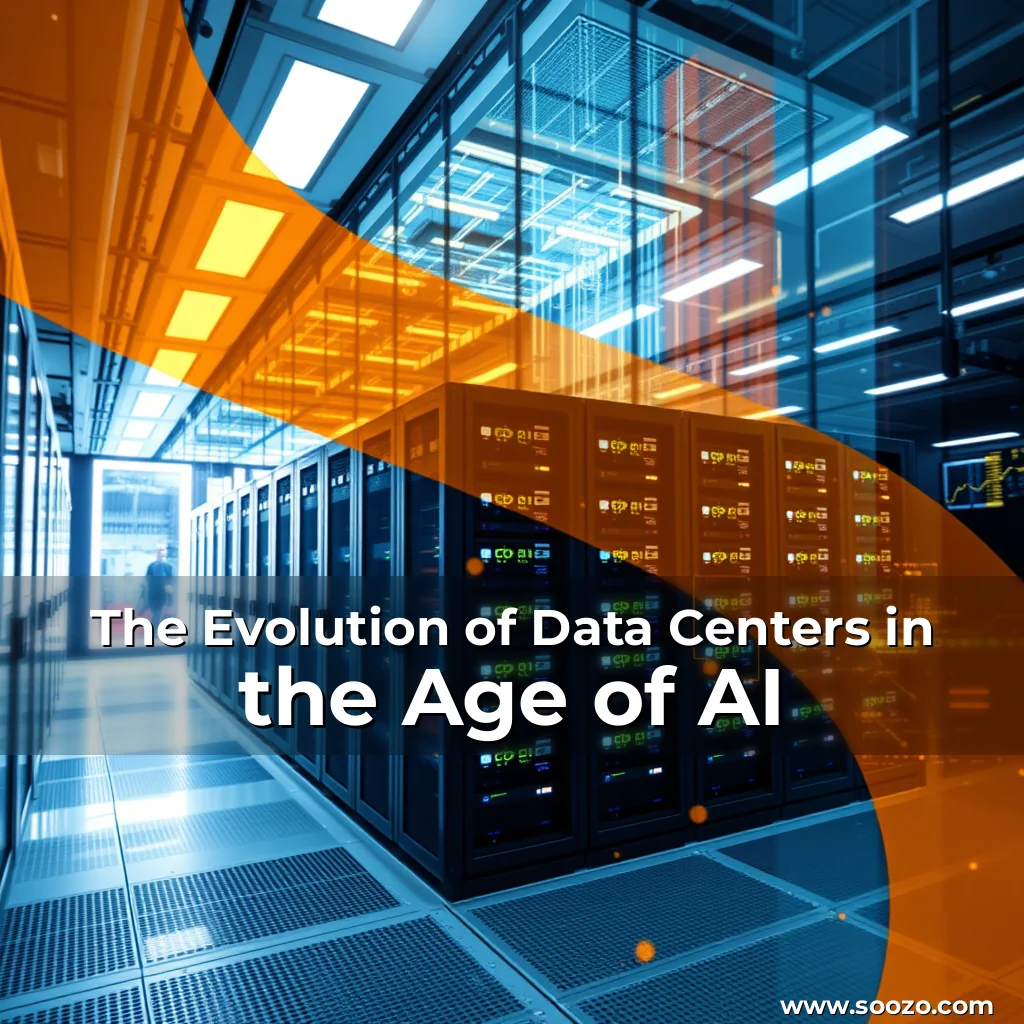
As AI models grow more complex and power-hungry, traditional data centers are struggling to keep pace, forcing operators to rethink infrastructure design, power sourcing, and cooling systems. The industry is witnessing a significant shift, with hypercalders and cloud providers exploring positioning data centers adjacent to nuclear plants to ensure consistent power availability for AI applications.
- AI’s relentless demand for compute power requires a more diversified and resilient approach to energy sourcing
- A robust power strategy extends beyond any single solution, diversifying energy sources through a mix of geothermal, solar, cogeneration, and other renewable solutions
- Upgrading cooling systems to handle higher densities is crucial, with operators increasingly turning to advanced cooling technologies like liquid immersion cooling and direct-to-chip cooling
- Future-proofing site selection is also critical, with operators considering power accessibility, transmission timelines, and regulatory environments
- Planning for capacity at scale is essential, with modular data center designs, long-term power agreements, and adaptive cooling solutions providing the flexibility to scale incrementally
| Key Takeaways | Hybrid approach – layering AI-optimized environments alongside existing systems while incrementally retrofitting older infrastructure |
| Adapting, not replacing, is the future of AI-optimized data centers | Substituting legacy infrastructure on a large scale is prohibitively expensive and disruptive, while a hybrid approach minimizes disruption while preparing for future growth |
“AI is driving a similar disruption in the data center space, creating a new connectivity and data processing paradigm, much like cloud computing reshaped the IoT landscape,”
A phased approach – modernizing legacy systems incrementally while introducing AI-optimized environments capable of meeting future demands is the path forward. Organizations that recognize this shift and adapt accordingly will position themselves as trailblazers in the AI era. Today, we’re optimizing for 100+ kW racks and modular power solutions, but tomorrow, the conversation could shift to entirely new paradigms in energy management, workload distribution, and edge computing. Organizations that remain agile – able to pivot their infrastructure strategies in response to technological advances – will be best positioned to thrive in this rapidly changing landscape. The data center industry is at a pivotal moment, with operators having a prime opportunity to redefine the future of their facilities. By bridging the gap between legacy environments and AI-optimized systems, they can build a foundation for long-term success – one that balances innovation with resilience and positions them for leadership in the era of AI.

news is a contributor at Soozo. We are committed to providing well-researched, accurate, and valuable content to our readers.