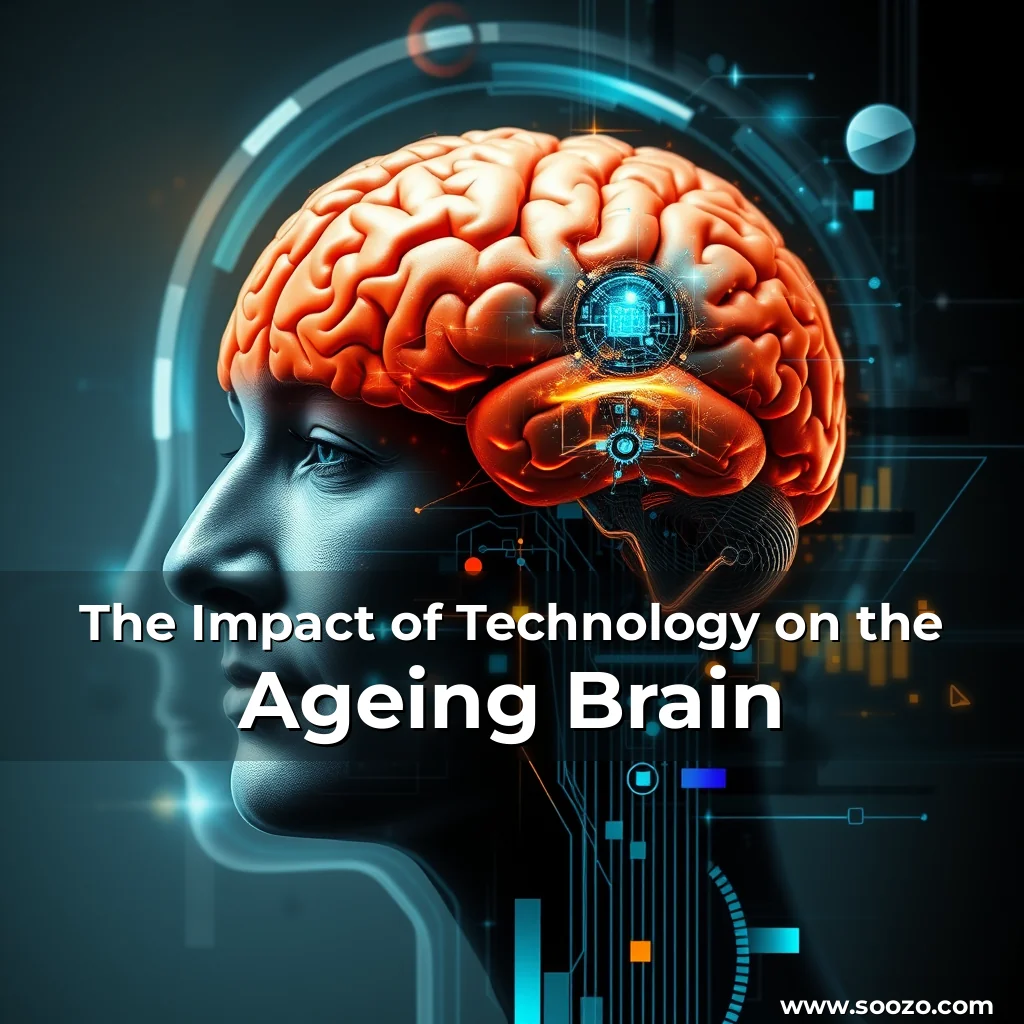
The advent of digital technology has revolutionized the way we live, and the impact on our brains is a subject of considerable interest and debate. A recent study published in Nature Human Behaviour has shed new light on this topic, with surprising findings that challenge the “digital dementia” hypothesis.
What is Digital Dementia?
The concept of digital dementia was introduced by German neuroscientist and psychiatrist Manfred Spitzer in 2012. According to Spitzer, excessive use of digital devices can lead to a weakening of our cognitive abilities. This hypothesis has sparked significant concern regarding the potential negative impact of technology on our brains.
- Increased passive screen time
- Offloading cognitive abilities to technology
- Increased susceptibility to distraction
These concerns are rooted in the idea that technology use can lead to a decline in critical thinking skills, attention span, and memory. However, a comprehensive new study has found no evidence to support the “digital dementia” hypothesis.
A Comprehensive Study on Technology Use in Older Adults
A recent study conducted by researchers at the University of Texas and Baylor University in the United States provides valuable insights into the impact of technology on the ageing brain. The study, published in Nature Human Behaviour, examined the relationship between technology use and cognitive decline in adults aged over 50.
| Study Design | Number of Participants | Results |
|---|---|---|
| Meta-analysis | 57 studies, 411,000 adults | Greater use of technology associated with reduced risk of cognitive decline |
| Statistical tests | Odds ratio of 0.42 | 58% risk reduction for cognitive decline |
The study found that the use of technology was associated with a reduced risk of cognitive decline, even when other factors such as socioeconomic status and health were taken into account. The magnitude of this effect was similar to that of physical activity and maintaining healthy blood pressure, which are well-established protective factors against cognitive decline.
The “Technological Reserve” and Cognitive Stimulation
The study suggests that engaging with technology across our lifespan can stimulate our memory and thinking. This “technological reserve” may be a form of cognitive protection, helping to mitigate the effects of age-related cognitive decline. In reality, it’s not feasible to live in the world today without using some form of technology. Therefore, it’s essential to consider how we use technology to maximize its cognitive benefits.
Limitations and Future Directions
While the study’s findings are encouraging, they highlight the need for further research. More studies are required to confirm these results in different populations, particularly those from low and middle-income countries, which were underrepresented in the study.
Conclusion
The impact of technology on the ageing brain is a complex and multifaceted topic. The recent study published in Nature Human Behaviour has provided valuable insights into the relationship between technology use and cognitive decline in older adults. However, it’s essential to recognize that technology use is a rapidly changing aspect of our lives. As AI and other technological innovations emerge, our ability to adapt and utilize them will become increasingly important. For example, advances in brain-computer interfaces offer new hope for individuals experiencing the impact of neurological disease or disability. A question of “how” we use technology will be crucial in unlocking its full cognitive potential and maximizing its benefits for our ageing brains.

news is a contributor at Soozo. We are committed to providing well-researched, accurate, and valuable content to our readers.