The Foundation of Digital Operations
At its essence, IT infrastructure encompasses the hardware, software, networks, and services that support computing operations within an organization. This includes servers, storage systems, networking equipment, and cloud platforms working together harmoniously.
A robust IT infrastructure ensures reliable access to critical resources, facilitates collaboration among teams, and safeguards sensitive information against cyber threats. Without it, even the most innovative ideas would struggle to take shape or scale effectively.
- Hardware Components: Physical devices such as computers, printers, routers, and switches form the tangible layer of IT infrastructure.
- Software Applications: Operating systems, productivity suites, and specialized programs enable users to interact with hardware efficiently.
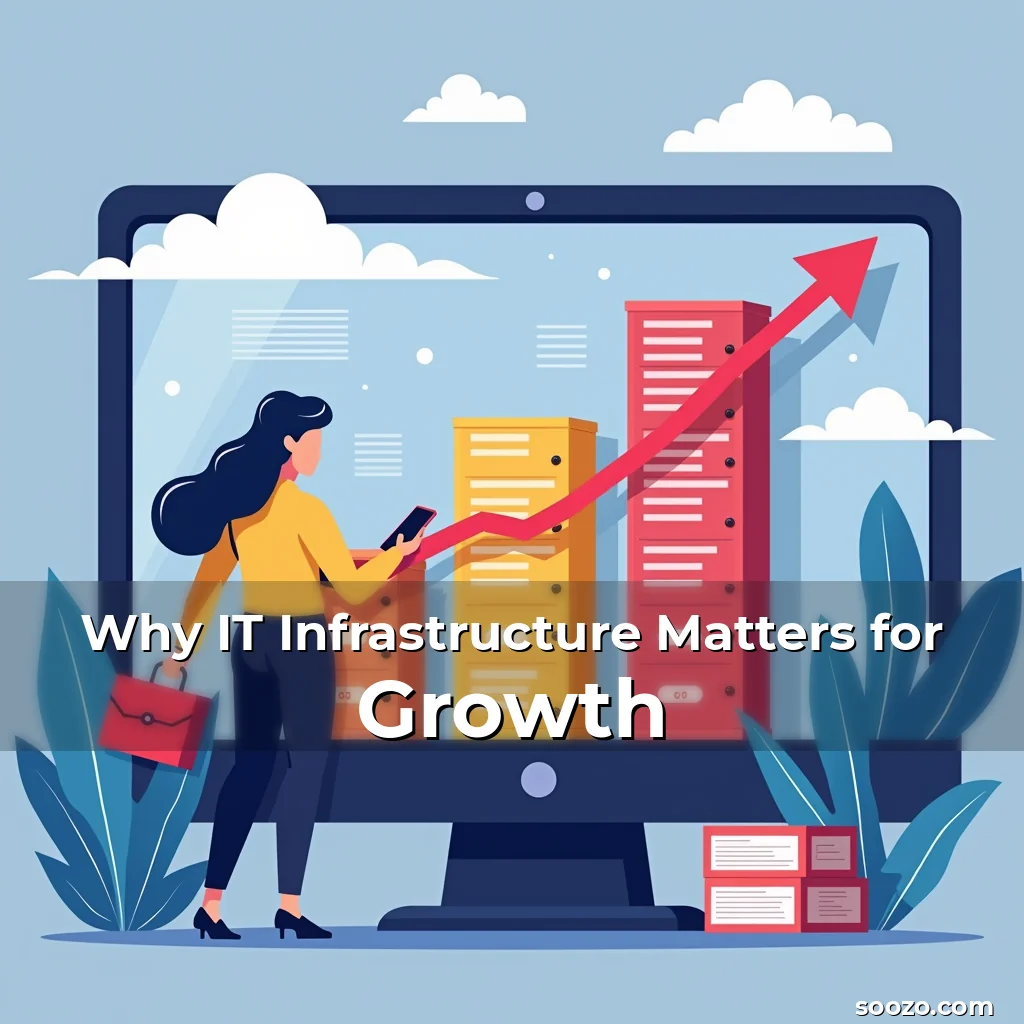
Why IT Infrastructure Matters for Growth
Investing in quality IT infrastructure isn’t merely about purchasing the latest gadgets—it’s about laying down a scalable foundation that supports long-term objectives. Businesses relying on outdated systems often face limitations in performance, security, and adaptability.
Modern enterprises leverage advanced infrastructures to automate workflows, enhance customer experiences, and drive innovation across industries. From healthcare providers optimizing patient care to educators delivering remote learning modules seamlessly, strong IT frameworks unlock new possibilities daily.
Critical Metrics for Evaluating Performance
Evaluating the effectiveness of an organization’s IT infrastructure involves analyzing various metrics such as uptime percentages, response times during peak hours, system reliability rates, and incident resolution durations. These indicators help identify potential bottlenecks early on.
For instance, achieving over 99% server availability signals high resilience against unexpected failures. Conversely, frequent downtime incidents may indicate underlying issues requiring immediate attention. Regular audits assist in maintaining optimal levels consistently.
Navigating Common Challenges in Implementation
Despite its significance, implementing effective IT infrastructure poses numerous hurdles ranging from budget constraints to evolving technological landscapes. Organizations frequently grapple with deciding whether to adopt traditional on-premise setups or transition towards hybrid models involving public clouds.
Additionally, cybersecurity remains a top priority due to increasing sophistication of hacking attempts targeting vulnerable endpoints. Balancing cost-effectiveness with adequate protection measures demands strategic planning at every stage of deployment.
Leveraging Emerging Technologies
The landscape of IT infrastructure continues evolving rapidly thanks to advancements in artificial intelligence, edge computing, and quantum technologies. Integrating these innovations offers transformative opportunities but also necessitates careful consideration regarding compatibility and training requirements.
Edge computing decentralizes processing capabilities closer to end-users, reducing latency significantly compared to centralized architectures. Meanwhile, AI-driven analytics provide predictive maintenance features helping preemptively address hardware degradation risks before they escalate into full-blown crises.
Case Study: Smart City Initiatives
Many urban centers worldwide have adopted smart city initiatives powered by resilient IT infrastructures capable of handling massive volumes of real-time data generated by IoT sensors embedded throughout municipal assets. Such implementations facilitate efficient traffic control mechanisms and energy conservation strategies.
An exemplary model comes from Singapore where integrated sensor networks monitor air quality indices continuously. Data collected informs policymakers about pollution hotspots allowing targeted interventions aimed at improving residents’ health conditions promptly.
BEST PRACTICES FOR MAINTAINING ROBUST INFRASTRUCTURES
Maintaining an enduringly functional IT environment hinges upon adopting proven methodologies centered around proactive monitoring, regular updates, and employee education. Establishing clear protocols governing device usage helps prevent unauthorized activities potentially compromising network integrity.
Implementing multi-factor authentication adds layers of defense against brute force attacks attempting unauthorized logins. Furthermore, conducting routine backups guarantees swift recovery post-disasters minimizing operational disruptions caused by unforeseen events like natural calamities or human errors.
FUTURE OUTLOOK AND STRATEGIC PLANNING
As we look ahead, anticipating future developments becomes essential when designing flexible yet secure IT ecosystems adaptable enough to accommodate upcoming breakthroughs. Trends suggest continued growth in automation capabilities driven by machine learning algorithms refining themselves iteratively based on historical patterns observed within datasets.
Collaboration between stakeholders including developers, administrators, and end-users fosters inclusive environments where feedback loops contribute meaningfully towards continuous improvement cycles enhancing overall satisfaction ratings associated with service delivery standards maintained across departments.
CONCLUSION
In conclusion, mastering the intricacies surrounding contemporary IT infrastructure empowers organizations to harness digital transformation fully realizing untapped potentials inherent within modern computing paradigms available today.
By prioritizing investments aligned with current needs coupled with foresight concerning probable shifts occurring within global marketspaces, entities position themselves advantageously amidst fierce competition characterizing present-day business scenarios globally.

news is a contributor at Soozo. We are committed to providing well-researched, accurate, and valuable content to our readers.